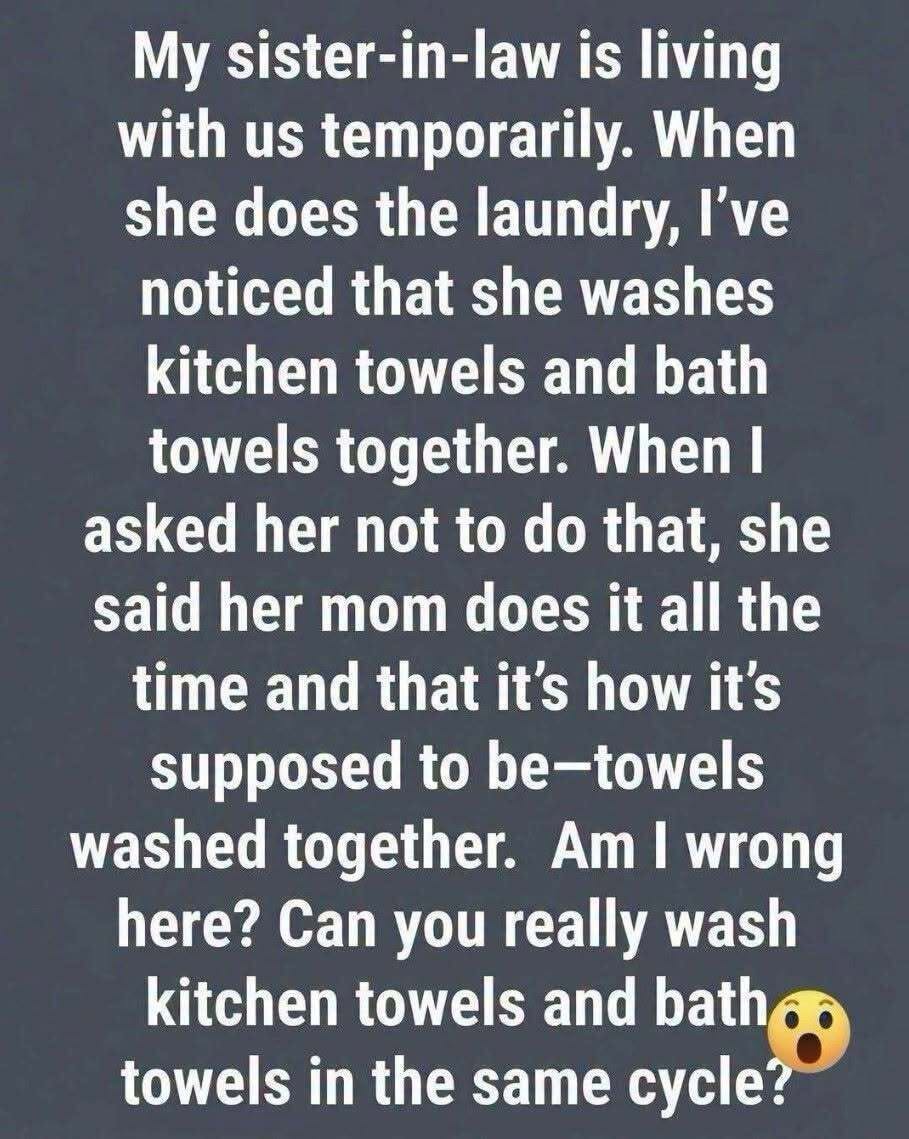
Kitchen towels and bath towels do not always need to be washed separately. In most cases, they can share a washing cycle as long as they have been used for similar purposes, are not heavily soiled, and have compatible fabric care requirements. Bath towels typically collect moisture, skin oils, and everyday dirt, while kitchen towels may pick up food particles, grease, and other kitchen residue. However, not all kitchen towels carry the same level of dirt or contamination.
For example, kitchen towels used only to dry clean dishes or wipe freshly washed hands can generally be washed together with ordinary bath towels. However, cloths used to clean greasy surfaces, wipe up food spills, or handle raw meat and poultry should be washed separately. These items may contain food residue and microorganisms that should not be transferred to other laundry. Using a suitable detergent and following fabric care labels will also help ensure effective cleaning without damaging the towels.
To get the best results, avoid overloading the washing machine so water and detergent can circulate properly. Choose an appropriate washing temperature based on the fabric, as durable cotton towels may tolerate higher temperatures than delicate materials. After washing, make sure everything dries completely to prevent unpleasant odors and microbial growth. Ultimately, separating kitchen and bath towels is not always necessary. What matters most is how the towels have been used, how dirty they are, and whether they require different washing conditions.