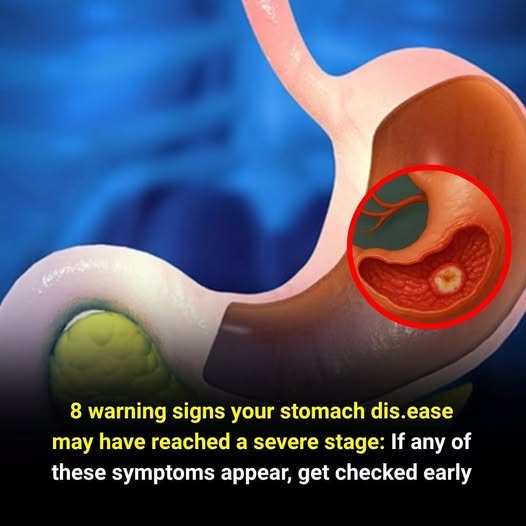
Stomach problems are common and are often caused by indigestion, stress, or dietary habits. However, persistent or worsening symptoms may indicate an underlying digestive condition that requires medical attention. Important warning signs include ongoing abdominal pain, unexplained weight loss, frequent nausea or vomiting, loss of appetite, constant bloating, and feeling unusually full after eating small amounts. Persistent fatigue and weakness may also be associated with digestive problems, nutritional deficiencies, or internal bleeding.
Some symptoms deserve particular attention, especially blood in the stool or black, tar-like stools, which may indicate bleeding somewhere in the digestive tract. Frequent heartburn and acid reflux can also signal conditions that need treatment. Common digestive disorders include gastritis, peptic ulcers, stomach infections, and gastroesophageal reflux disease (GERD). Gastritis involves inflammation of the stomach lining and may be linked to H. pylori bacteria, excessive alcohol consumption, or frequent use of certain pain medications. Peptic ulcers can also develop due to H. pylori infection or long-term use of medications such as ibuprofen and aspirin.
The good news is that many digestive conditions can be treated successfully when identified early. However, persistent symptoms should never be ignored, especially unexplained weight loss, ongoing abdominal pain, or changes in bowel movements. Seek prompt medical attention if you notice black stools, blood in your stool, or vomiting blood, and seek emergency care for severe symptoms. Paying attention to your body’s warning signs and consulting a healthcare professional when something feels wrong can help protect your digestive health and prevent complications.