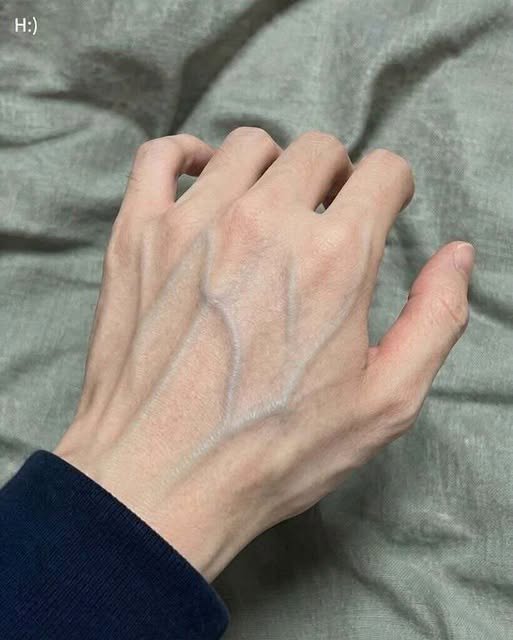
Visible veins can sometimes look concerning, especially when they become darker, raised, or more noticeable. However, prominent veins are often completely normal and may be related to aging, regular exercise, or naturally low body fat. As skin becomes thinner and muscles more defined, veins can become easier to see, particularly on the hands, arms, legs, and feet. If they have always been visible and there is no pain, swelling, or tenderness, they are generally not a cause for concern.
However, sudden changes in the appearance of veins deserve attention. Swollen, twisted, or painful veins may indicate circulation problems. One possible cause is chronic venous insufficiency, a condition in which blood has difficulty returning from the legs to the heart, potentially causing varicose veins, aching, swelling, and heaviness. Another concern is deep vein thrombosis (DVT), which occurs when a blood clot develops in a deep vein and may cause pain, warmth, swelling, or changes in skin color.
In some cases, increased pressure within the body’s circulatory system, including pressure associated with congestive heart failure, can also make certain veins more prominent. However, visible veins alone do not mean someone has a blood clot or heart condition. Other symptoms and how quickly the changes develop are much more important when assessing the situation.
The important thing is to pay attention to sudden or unexplained changes rather than judging your health by appearance alone. If prominent veins are accompanied by new pain, swelling, or warmth, seek medical evaluation promptly. Sudden shortness of breath or chest pain requires emergency medical attention. Most visible veins are harmless, but unusual changes should never be ignored.