Chapter 1 – The Ledger
Claire’s words settled between us like broken glass. I told her the ledger was not in my purse. Thomas had placed the original with Helen, along with bank statements and copies of Daniel’s electronic approvals. The card in my hand was only an emergency measure, but Daniel’s fear had made him reckless enough to reveal what he believed mattered most.
Claire admitted that our son had told her I was confused and that Thomas wanted the business transferred quickly. She had noticed contradictions, yet silence had felt easier than challenging her brother while our father was dying. I listened without rescuing her from the weight of that choice. Grief explained her weakness; it did not erase it.
Helen met us in a private room behind her office. By sunset, she had secured an emergency order preventing changes to the locks, accounts, or company records. I also made a police report about the road. Not to destroy Daniel, but to establish the truth before he could rename cruelty as concern. Then Helen placed the ledger on the table and turned to the first transfer Thomas had circled.
Chapter 2 – The Table Between UsDaniel arrived at Helen’s office the next morning with his own attorney. His confidence weakened when he saw the ledger. He said the money had been a loan for a distribution venture and insisted his father had promised he would someday own the company anyway.
“Someday is not permission,” I said. “And inheritance is not ownership while the people who built it are still alive.”
Helen showed him the trust amendment Thomas and I had signed six months earlier. I remained controlling trustee of the house and business shares. Upon my death, neither child would receive direct control; the company would pass into an employee benefit trust, while any remaining family inheritance depended on lawful conduct and independent review.
Daniel’s face changed from anger to something younger and more frightened. He confessed that his venture was failing. He had expected to replace the money after Thomas died and before anyone examined the accounts. Then he claimed leaving me roadside had been a desperate attempt to make me surrender the documents.
I felt the familiar urge to soften consequences for my child. Instead, I held his gaze. “You may be desperate,” I told him, “but you chose deception, theft, and danger. Love does not require me to pretend otherwise.”
Chapter 3 – The Cost of TruthThe forensic accountant traced most of the missing money to accounts Daniel still controlled. Under advice from his attorney, he returned what remained and surrendered his interest in the failed venture. The recovered amount did not cover everything, but it kept the company’s payroll intact and protected thirty-two families from paying for his decisions.
Our board removed him as manager. The findings were reported to the proper authorities, and I refused to use my position either to demand vengeance or purchase special mercy. Daniel eventually accepted a plea involving restitution, probation, and financial restrictions. He also signed a statement admitting that I had never been incompetent and that his attempt to seize control had been deliberate.
Claire provided her scans and testimony. She apologized to the employees in person, without asking them to reassure her. I did not restore her access to the trust, but I agreed to attend counseling with her after she began going alone. Accountability, I was learning, could leave a door unlocked without pretending nothing had happened.
When I returned home, the old key still turned. Inside, Thomas’s chair faced the dark television, and grief finally reached me without lawyers or ledgers standing in its way.
Chapter 4 – What Remained at HomeI sat in Thomas’s chair until morning and spoke aloud to him once. I told him our precautions had worked, though not in any way either of us would have celebrated. We had protected the work of our lives, but no document could protect a mother from learning what fear and entitlement had made of her children.
Claire came by later with groceries. She stopped at the threshold and waited until I invited her inside. We packed away the funeral dishes together, then took down the height chart from the hallway because I wanted it preserved before the walls were repainted. The marks reminded me that loving children through their growth did not mean accepting every adult they chose to become.
Daniel wrote from his rented apartment. His first letter contained explanations. I returned it unopened with a note saying I would read an apology when it included no blame for his father, his business partners, or me. Three weeks later, another arrived. It named what he had done plainly. It promised restitution without asking for forgiveness.
I read that one twice. Then I placed it in a drawer, neither destroyed nor displayed. Some wounds needed time more than speeches, and some relationships could continue only after the old version of them ended.
Epilogue – A Different InheritanceOne year later, the company held its first meeting under the employee trust plan. I remained chairwoman, but younger hands carried the daily work. We established an emergency fund in Thomas’s name for employees facing illness or family crisis. It felt like a better monument than a plaque no one would stop to read.
Claire and I rebuilt slowly. She called before visiting, listened when the answer was no, and stopped confusing peace with the absence of hard conversation. Daniel continued making restitution payments and attending counseling required by the court. We exchanged letters. I had not invited him home, but I no longer wrote from anger. Boundaries gave compassion somewhere honest to stand.
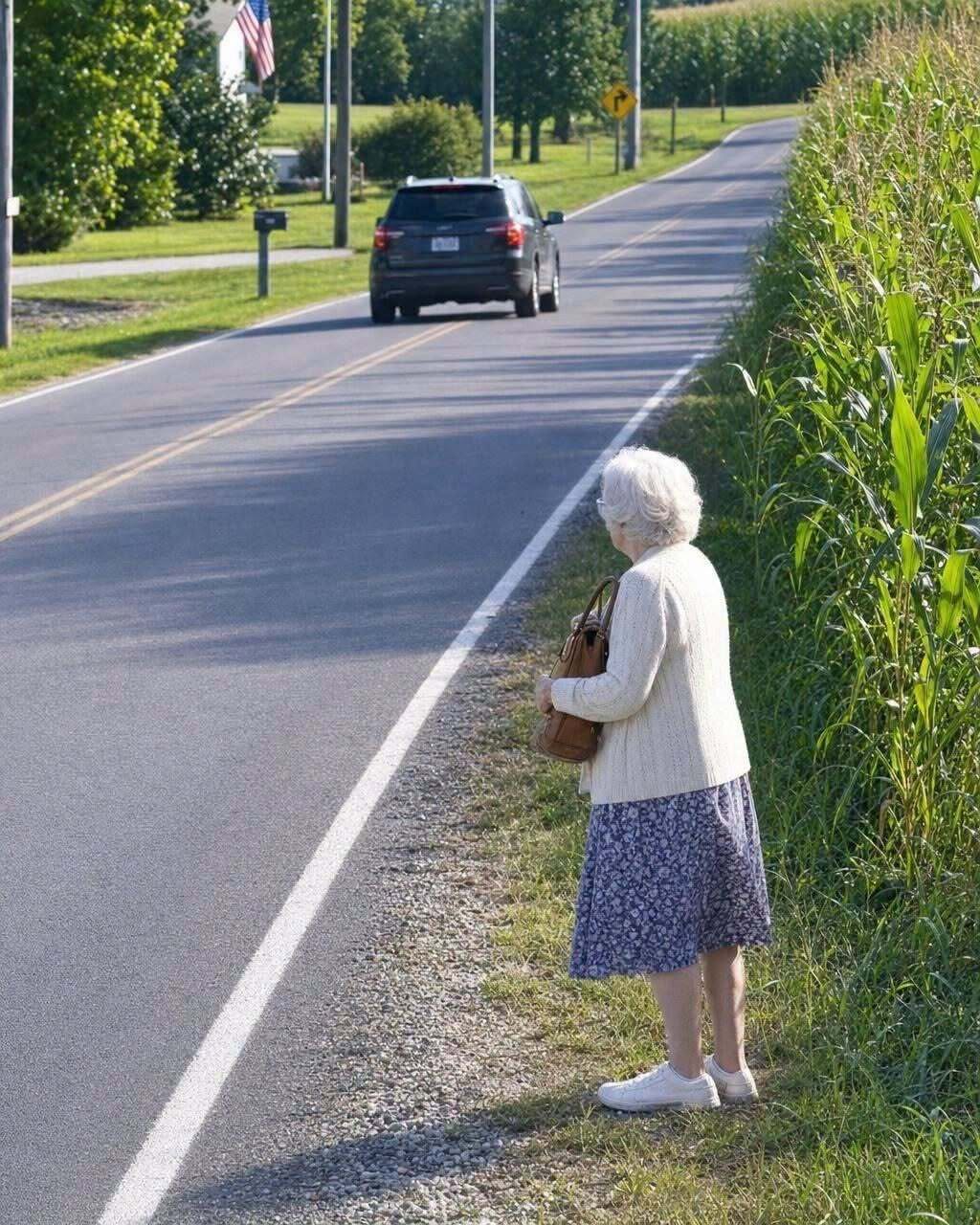
On the anniversary of Thomas’s death, I drove to the quiet road outside town. Early corn had begun pushing through the dark soil. I stepped out where Daniel had left me and stood beneath the enormous sky, remembering the woman who had walked away in funeral shoes with dust on her hem.
I had believed freedom meant escaping what my children tried to do. Now I understood it differently. Freedom was refusing to let betrayal decide the shape of my remaining life. I returned to the car, turned toward home, and left the road behind without needing anyone else to disappear.