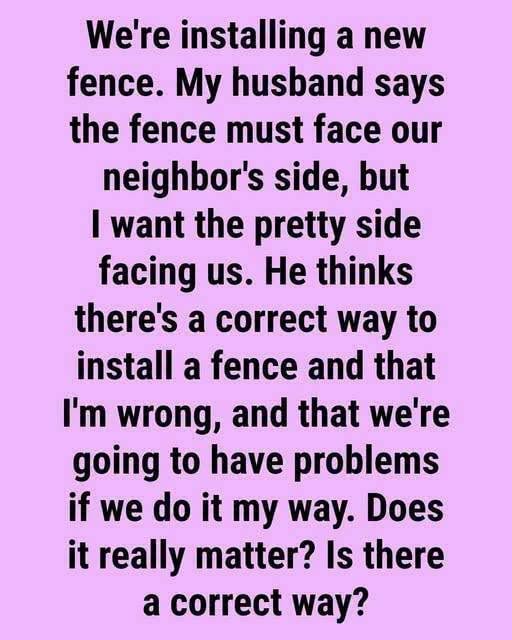
Fence disagreements between neighbors often begin with a surprisingly simple question: who should get the finished, attractive side of a new fence? While it may seem like a small detail, the decision can create tension between homeowners. The finished side typically has a smoother appearance, while the opposite side reveals posts, rails, and structural supports. Since fences provide privacy, security, and clearly defined boundaries, their appearance and placement can matter to both neighbors.
Many homeowners believe the finished side should face the street or neighboring property as a gesture of courtesy and respect. Others argue that whoever pays for the installation should decide which direction the fence faces. Different expectations about privacy, appearance, maintenance, and property value can make reaching an agreement difficult. Local building regulations and homeowners association rules may also specify requirements for fence height, materials, placement, and orientation, making it important to understand the rules before construction begins.
The best way to avoid unnecessary disagreements is to plan ahead and communicate openly. Homeowners should check property surveys, confirm boundary lines, review local regulations, and discuss their plans with neighboring property owners before hiring contractors. A simple conversation can prevent misunderstandings, unexpected expenses, and disputes over property rights. Ultimately, deciding which side of the fence should face outward is about more than appearance; courtesy, fairness, and mutual respect can help ensure the project benefits everyone involved.