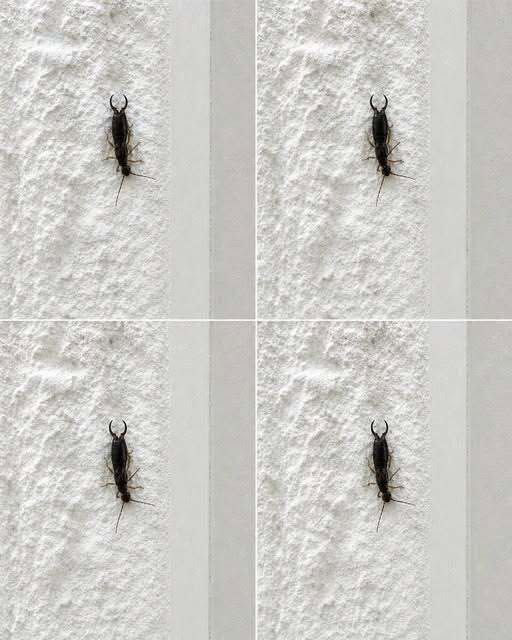
One unfamiliar insect can turn a quiet evening into a rush of worry. Suddenly every shadow looks suspicious, and the question feels impossible to ignore: was this a lone visitor, or is something else hiding nearby? Before fear sends you reaching for a spray, one simple step can help you understand what you found and what it actually meansThat step is identification. A single insect sighting does not automatically mean an infestation, and the right response starts with figuring out exactly what crossed your path before deciding whether any treatment is even necessary.
Don’t Panic: What a Single Insect Sighting Really Means
Take a clear photograph of the insect first. Knowing the species helps you understand whether it’s a harmless wanderer or something worth monitoring more closely.
Many insects enter homes simply searching for warmth, moisture, or shelter, not because a colony has already taken hold inside. A single visitor is often just that: a visitor.
Checking Your Home for Hidden Attractants
Once you’ve identified the insect, look around for what might have drawn it in. Kitchens, bathrooms, basements, and other damp or food-rich areas are the most common draws.
Crumbs, uncovered pet food, overflowing bins, and leaking faucets can all give an accidental visitor a reason to linger. Cleaning these areas and fixing moisture problems is a practical, chemical-free first response.
Sealing Entry Points and Reducing Outdoor Lures
Prevention also means making your home physically harder to enter. Repair torn window screens, install door sweeps, and seal gaps around windows and utility pipes with appropriate materials.
Outdoors, keep vegetation and leaf piles away from exterior walls, and clear away any standing water. Warm-colored exterior bulbs and cutting back on unnecessary nighttime lighting may also reduce insect activity near entrances.
A calm, informed response protects your home without letting a single sighting spiral into unnecessary panic. Identify first, check for attractants second, and seal up entry points as a lasting safeguard.