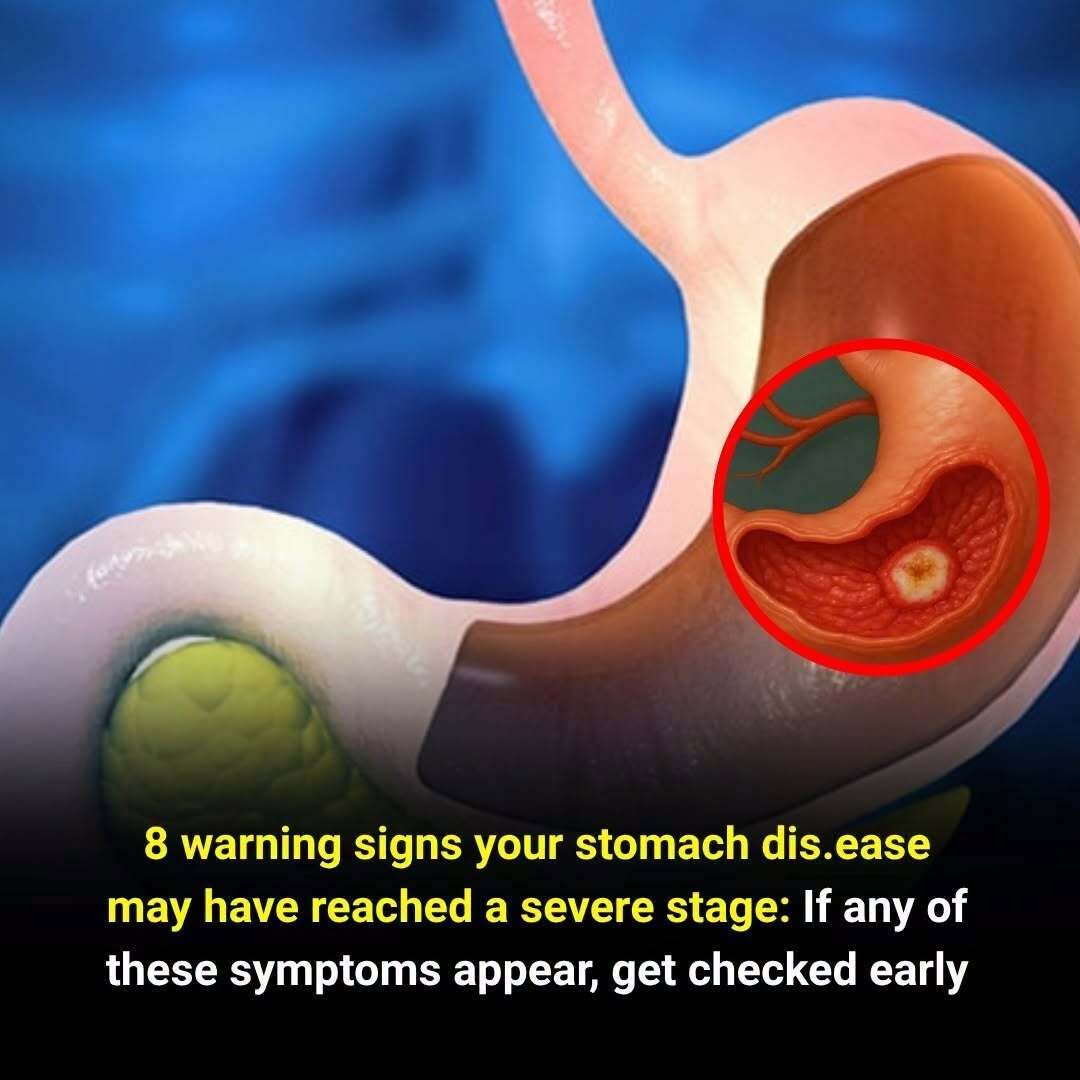
Stomach problems are common and can result from indigestion, stress, or dietary habits. However, persistent or worsening symptoms may point to an underlying digestive condition that requires medical attention. Warning signs include ongoing abdominal pain, unexplained weight loss, frequent nausea or vomiting, constant bloating, and feeling full after eating only small amounts. Recognizing these changes early can help prevent complications and ensure appropriate treatment.
Other symptoms that deserve attention include blood in the stool, black or tar-like stools, frequent heartburn, and persistent acid reflux. These may indicate problems within the digestive system and should not be ignored. Ongoing fatigue and weakness can also sometimes be associated with nutritional deficiencies or internal bleeding. While occasional discomfort is common, symptoms that continue or become more severe should be evaluated by a healthcare professional.
Several conditions can cause digestive problems, including gastritis, peptic ulcers, infections, and gastroesophageal reflux disease (GERD). Gastritis involves inflammation of the stomach lining and may be linked to H. pylori infection, certain pain medications, or excessive alcohol consumption. Peptic ulcers occur when the protective lining of the stomach or upper small intestine becomes damaged, often because of H. pylori bacteria or prolonged use of medications such as ibuprofen and aspirin. Most digestive conditions can be treated, but early evaluation is important. Seek prompt medical attention for severe abdominal pain, vomiting blood, black stools, or unexplained weight loss.