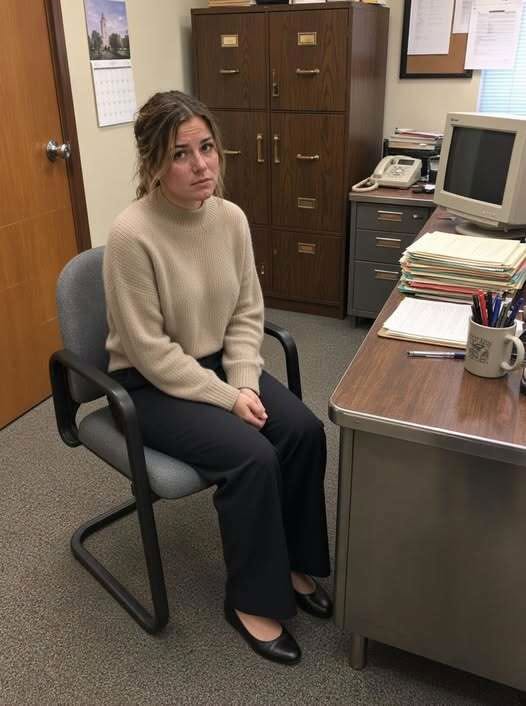
Fourteen-year-old Grace Callahan had quietly spent three years coping with the loss of her father, Paul, after his unexpected death. When her mother received a call from the school principal asking her to come in, she had no idea what had happened. Grace was sitting in the principal’s office in tears and refused to leave while her history teacher, Mr. Sutton, was present. The teacher explained that Grace had written a deeply personal essay about her father, his fishing hat, and the loneliness she had experienced since losing him. Believing he was recognizing her talent, he read an anonymous excerpt to the class without her permission. However, classmates recognized the details, and one student mocked her grief, leaving Grace feeling exposed and humiliated.
At home, Grace finally explained why the incident had hurt so much. The essay was the only piece of writing in which she had expressed her feelings about her father. She had kept her emotions to herself because she believed her mother was already struggling enough. Her mother realized that they had both been hiding their grief, each trying to protect the other. Sitting together, they embraced and promised not to carry their pain alone anymore. With her mother beside her, Grace eventually agreed to speak with Mr. Sutton and explained that sharing personal writing did not give him permission to reveal her private experiences. He sincerely apologized and promised to address the situation.
The school introduced a new rule requiring written permission before student work could be shared aloud in class. That evening, Grace finally read her essay to her mother, allowing them to share memories of Paul together. Months later, she chose to present the essay publicly, this time with confidence and on her own terms. Her journey became a reminder that grief should never have to be faced in silence, that personal stories deserve respect, and that sometimes the most important support comes from simply listening to the people we love.