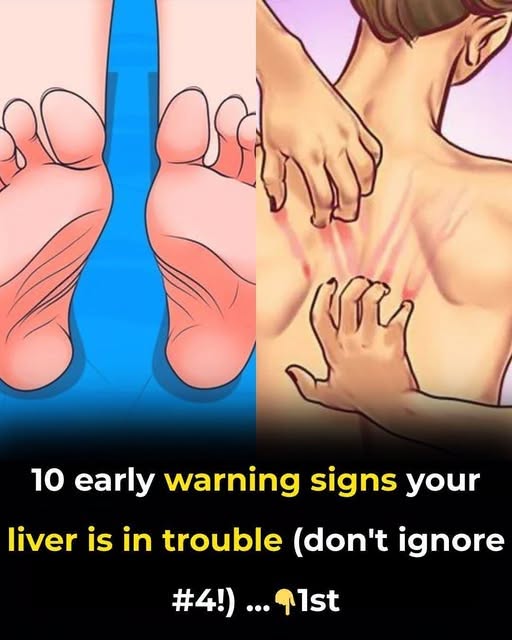
The liver is one of the body’s most important organs, yet liver problems can develop over many years without obvious symptoms. Early warning signs are often subtle and easy to overlook. Persistent fatigue, unexplained itching (especially at night), and yellowing of the skin or eyes, known as jaundice, can sometimes indicate underlying liver problems. These symptoms should not be ignored, particularly when they persist or become more noticeable.
Other possible warning signs include swelling in the legs, ankles, or abdomen, dark urine, unusually pale stools, nausea, reduced appetite, and discomfort beneath the right ribs. Some people may also experience easy bruising, prolonged bleeding, or difficulty concentrating as liver disease progresses. However, these symptoms can have many different causes and do not automatically mean someone has a liver condition. Jaundice and unexplained abdominal swelling are particularly important reasons to seek prompt medical attention.
Several factors can contribute to liver damage, including fatty liver disease, excessive alcohol consumption, viral hepatitis, obesity, insulin resistance, and type 2 diabetes. Recognizing persistent changes and seeking medical advice can make an important difference. Blood tests and appropriate medical examinations can help identify potential problems early, allowing treatment and lifestyle adjustments to reduce the risk of further damage.