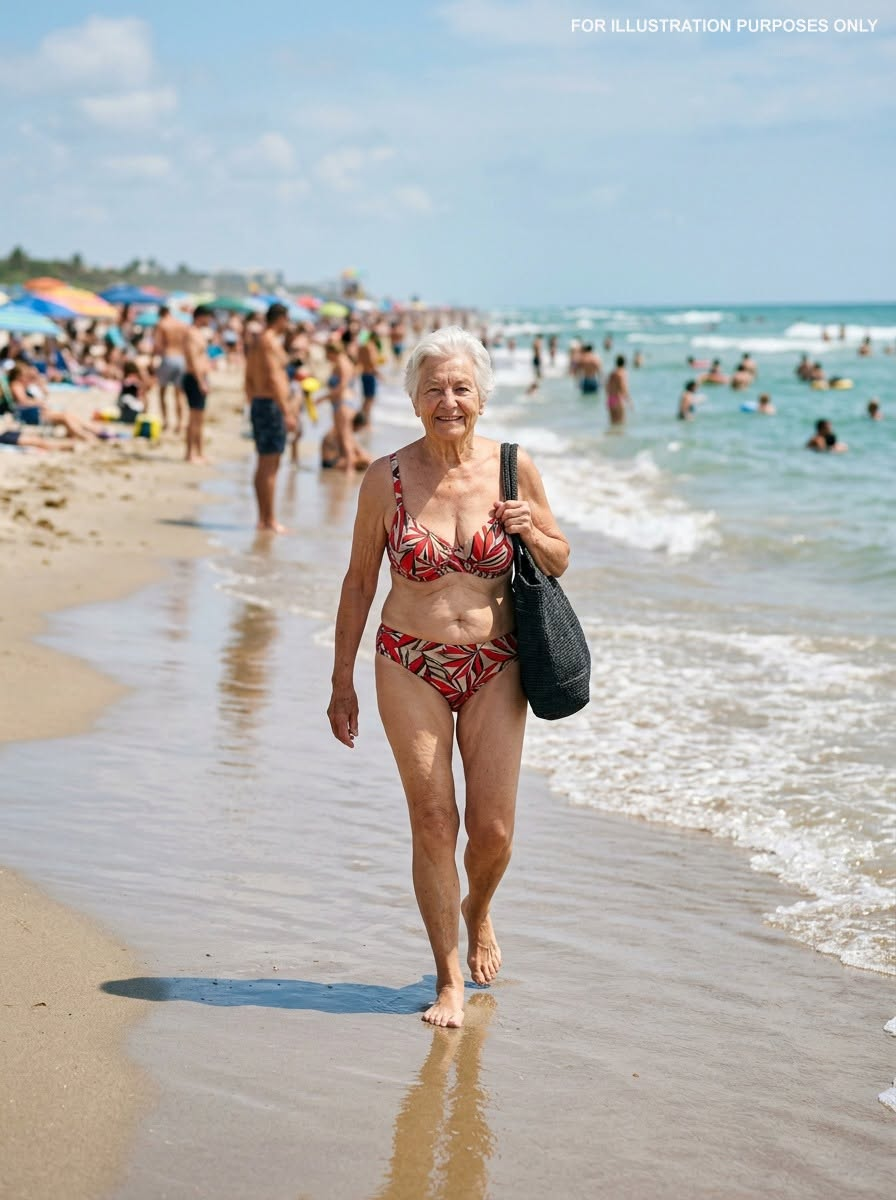
Every summer, women’s bodies once again become public discussion topics. Media outlets, social platforms, and tabloids zoom in on appearance, analyzing every detail as if women’s bodies exist for public judgment. What should be a season of confidence and freedom often turns into a cycle of criticism, comparison, and unrealistic expectations.
This repeated pattern raises an important question: why does body shaming remain so persistent, and what does it reveal about society’s relationship with women’s bodies?
A Cycle That Repeats Every Year
Body shaming has become almost seasonal. Each year, as summer approaches, public attention shifts toward what women wear—especially swimwear. Bikini photos, vacation images, and red carpet appearances are often dissected, not with appreciation, but with judgment.
Women are criticized for being “too old,” “too curvy,” or “not fit enough.” Instead of being seen as individuals enjoying their lives, they are reduced to appearances measured against impossible standards.
Behind this constant scrutiny is a culture that still expects women to meet narrow definitions of beauty, no matter their age, size, or lifestyle.
The Pressure of the “Perfect Body”
The idea of the “bikini body” has become a marketing tool as much as a social expectation. It fuels industries built around dieting, fitness programs, supplements, and beauty products, all reinforcing the message that women must continuously improve their appearance.
As a result, natural changes in the body—aging, weight fluctuation, or postpartum transformation—are often treated as flaws instead of normal human experiences.
Even confidence is sometimes punished. Women who appear comfortable in their own skin are frequently met with criticism rather than support.

Unequal Standards in Public Judgment
There is also a clear imbalance in how men and women are judged.
Older male celebrities in swimwear or casual clothing rarely face the same level of scrutiny. Their bodies are not constantly analyzed, compared, or criticized in the same harsh way.
Meanwhile, women are photographed from unflattering angles, followed by paparazzi lenses, and judged online within seconds. A single image can generate thousands of comments about appearance rather than achievement or character.
This double standard reflects a deeper cultural issue: women’s bodies are still treated as public property in ways men’s bodies are not.
The Mental Health Impact
The consequences of this constant judgment are serious.
Body shaming contributes to low self-esteem, anxiety, and long-term body image issues. Many women feel pressure to hide their natural selves or constantly modify their appearance just to avoid criticism.
Instead of feeling free in their own bodies, they feel watched, evaluated, and never “enough.” Over time, this can affect confidence, relationships, and overall mental well-being.
Changing the Narrative
Breaking this cycle requires a collective shift in mindset.
More voices are now challenging unrealistic beauty standards and promoting body acceptance. Movements encouraging diversity in size, age, and appearance are helping redefine what beauty looks like.
At the same time, media platforms and photographers hold responsibility for how they frame and present women’s bodies. What gets published—and how it is described—shapes public perception more than we often realize.
A Different Way Forward
It is time to stop treating women’s bodies as public debate topics.
Every body is a human body. It changes, ages, and exists beyond aesthetics. Respect should not depend on size, age, or appearance.
Instead of criticism, we should normalize acceptance. Instead of comparison, we should encourage understanding.
This summer—and every season after it—women should be free to exist without being reduced to judgment.
Because real progress begins when bodies are no longer treated as problems to be fixed, but as lives to be respected.