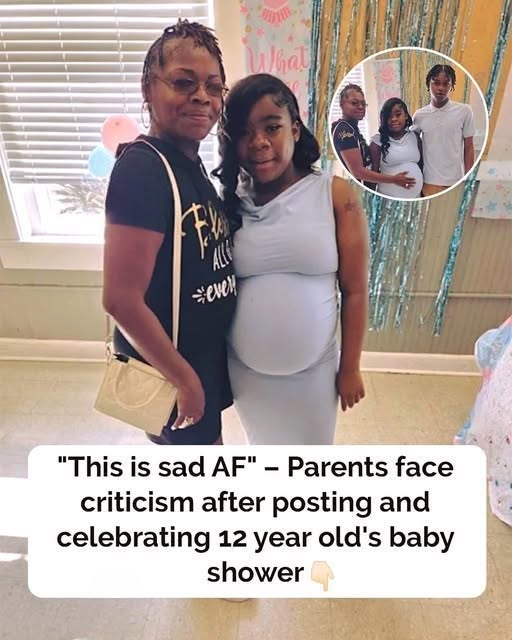
A Mississippi family found themselves at the center of a viral uproar after images from a baby shower, originally posted on social media, spread well beyond the intended circle and provoked heated discussion. What began as an intimate family celebration quickly escalated into a widely shared online controversy touching on teen pregnancy, parental duty, public reaction, and the ethics of posting sensitive family moments.
The original Facebook upload came from Greenwood resident Sheila Marble on April 27, showing photos of a shower with decorations, balloons, and a visibly pregnant teenager. In her caption Marble conveyed pride in the family occasion and posed alongside the expectant young woman in several pictures that other users then reshared broadly.
Some of the event photos also included another youth whom viewers on social platforms identified as a teen male, though the family did not publicly confirm any details about relationships or circumstances. The shower itself resembled many family gatherings—theme colors, banners, and gifts arranged in the usual celebratory way.
Initial engagement on Marble’s post was fairly modest, with supportive comments from friends and relatives. That changed on April 29 when screenshots of the post were shared on X, exposing the images to a much larger, international audience.
Within hours the pictures racked up millions of views, turning a private moment into a widespread topic of conversation among people from varied backgrounds. Reactions quickly polarized: some users voiced alarm and dismay at the apparent youth of the individuals and the situation implied by the photos.
A number of commenters asked whether publicly celebrating such an event was appropriate, prompting broader conversations about how teenage pregnancy is framed and discussed online. Others urged sensitivity, noting that minors may be involved and that family dynamics are often more complex than they appear on a screen.
At the same time, many defended the family’s right to privacy and criticized the rush to judge. Those voices argued that social media shaming can add harmful pressure to already difficult circumstances. Some responses broadened the debate to include issues of sex education, access to reproductive health resources, and regional variations in how teen pregnancy and family support are handled.
The incident also sparked reflection on social‑media ethics—how quickly private posts can be redistributed, reframed, and dissected by strangers. Several commentators observed the original Facebook photos seemed intended for a limited audience, raising questions about consent and expectation when content goes viral.
Because the people pictured are reported to be minors, commenters urged caution in public discussion and reminded others that many circulating assertions were unverified. Observers warned that online assumptions can distort real lives and urged restraint.
Opinions in the thread reflected wider cultural differences in how family milestones and teenage situations are perceived; reactions varied widely based on personal values and social viewpoints. As conversation spread, the case became another example of how a simple family snapshot can balloon into a global debate about judgment, compassion, and the reach of social media.
Despite the intense attention, much of the true context remains known only to the family and what they originally posted. The episode underscores how fragile privacy has become in the digital age, when personal moments intended for a few can rapidly become the subject of broad public scrutiny.