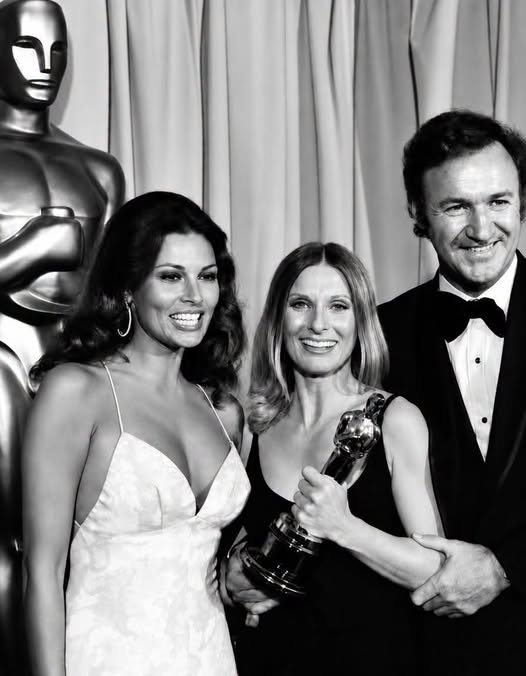
The 1972 Academy Awards: The Night Hollywood Began a New Era
Hollywood has long been associated with glamour, elaborate ceremonies, and polished performances, but the 44th Academy Awards in 1972 represented something much bigger than a celebration of movies. At the time, America was experiencing significant social and political changes, and these developments were influencing the entertainment industry. Filmmakers were beginning to move away from predictable stories and explore more realistic, complex subjects that reflected the challenges of everyday life.
Films such as The French Connection and The Last Picture Show captured this changing approach to cinema. Instead of focusing entirely on traditional entertainment, they explored themes of violence, loneliness, moral uncertainty, and the realities of American society. The 1972 Oscars brought together established Hollywood figures and a new generation of filmmakers seeking greater creative freedom. Although the ceremony maintained its familiar elegance, the industry behind it was beginning to embrace different storytelling styles and artistic ambitions.
The evening became especially memorable when The French Connection won Best Picture, reflecting growing recognition for unconventional and realistic filmmaking. This shift helped shape what became known as New Hollywood, an era defined by creative experimentation, complex characters, and stories that challenged traditional expectations. The influence of this movement continued for decades, changing how movies were written, produced, and experienced. Looking back, the 1972 Academy Awards remain an important milestone in cinema history, reminding us that movies are more than glamour and entertainment—they can also reflect society, challenge assumptions, and tell stories that stay with audiences for generations.