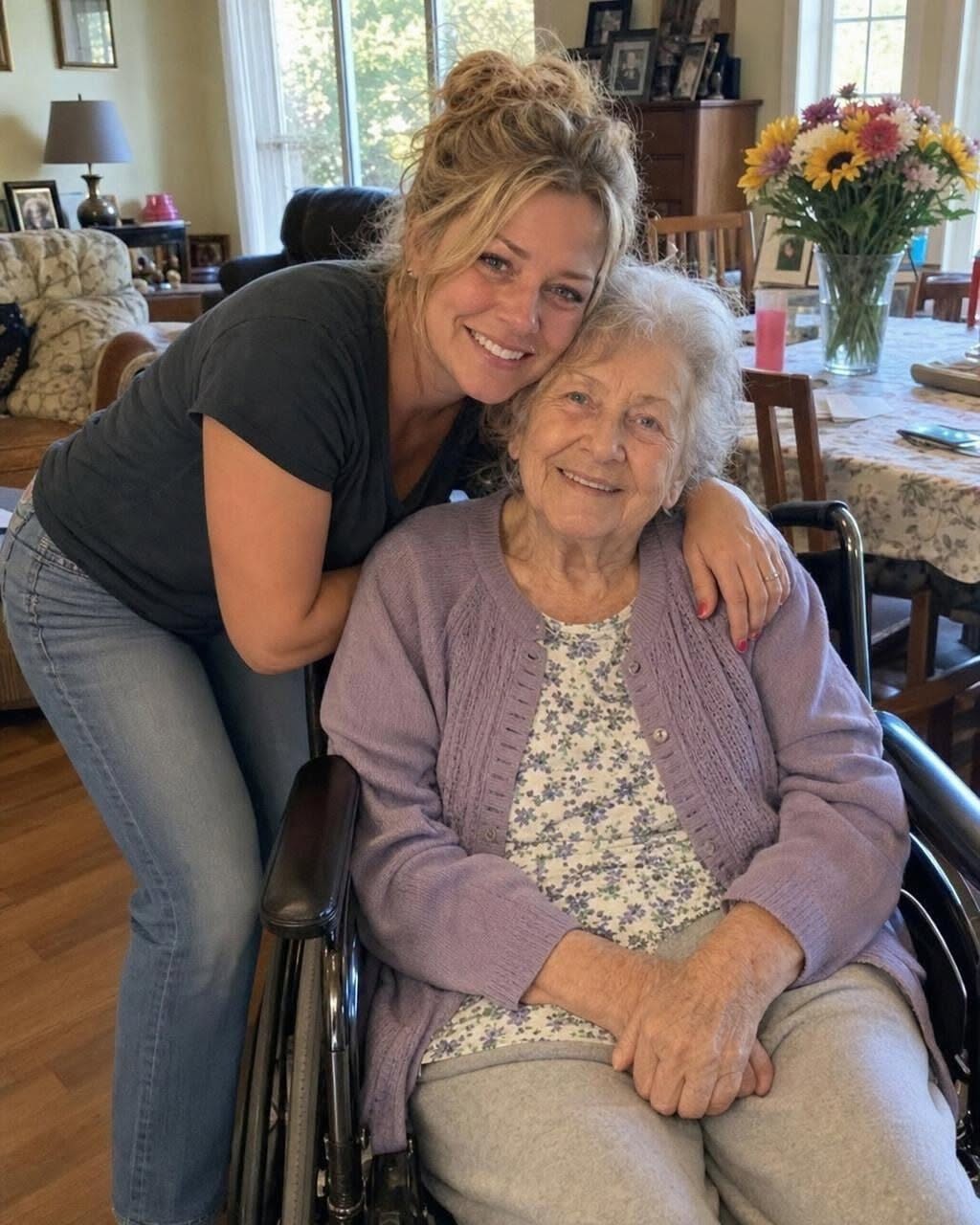
Chapter 1 – Grandma’s Warning
When I reached for the statement, my hands began trembling again. Grandma’s handwriting was weaker than it had been in my birthday cards, but every line was unmistakably hers. She wrote that Mom had asked for an advance on what she called her inheritance. Grandma had refused. The savings, she stated, belonged to me in every way that mattered, even if her name remained on the account.
Mom had been given temporary authority only to collect prescriptions and pay two utility bills while Grandma recovered from surgery. After Mom asked her to sign a blank withdrawal slip, Grandma revoked that authority in person. The bank employee who accepted the revocation had accidentally attached it to another customer’s electronic file. The original paper had been discovered that morning in a compliance folder.
The manager did not make excuses. He apologized, opened a formal fraud investigation, and promised the bank would freeze any remaining funds traceable to the withdrawal. I appreciated his honesty, but an apology could not restore my classes or the months Grandma had spent worrying. Lena advised me not to contact Mom again until we had the full records. As I stood to leave, the manager handed me a copy of Grandma’s final sentence: If my daughter ignores my refusal, please protect my granddaughter from paying for my mistake in trusting her.
Chapter 2 – What the Money Bought The records arrived three days later. Mom had transferred the entire balance into her personal account. Within a week, she had paid the deposit on the car, cleared two credit cards, and bought the laptops and clothes I had seen in her photographs. She had also used some of the money for overdue household bills. That did not excuse what she had done, but it showed a more complicated truth than simple luxury.
At mediation, Mom looked smaller than she had at Grandma’s funeral. She admitted that her husband’s hours had been cut and that debt collectors had been calling. She said she had convinced herself Grandma would eventually forgive her because the purchases benefited “the children.” By that, she meant my half-sisters. She did not seem to hear what the phrase implied about me.
I kept my voice steady. “I was your child too. Grandma’s savings were not an emergency fund you could claim because you chose to leave me with her.” Mom began to explain again, but the mediator stopped her and asked one direct question: had Grandma clearly refused permission? After a long silence, Mom said yes. It was the first honest answer she had given me. Lena placed the revocation and bank report on the table. The bank’s representative then offered to restore my full balance, provided Mom entered a separate repayment agreement for the money she had knowingly taken.
Chapter 3 – The Cost of Returning ItMom could have refused and forced everyone into court. Instead, she asked for a private break. When she returned, her face was blotched from crying, but her voice was controlled. She agreed to sell the car, apply the proceeds to the debt, and make monthly payments to the bank. The bank accepted responsibility for its error, restored the account with interest, and covered Lena’s fees.
I did not feel victorious when I signed. I felt tired. The car had been proof of Mom’s betrayal, yet watching her surrender it did not give me back the years when I waited for her to return. Accountability was necessary, but it was not the same thing as revenge, and I did not want her daughters punished for choices they had not made.
My half-sisters called that evening. Mom had finally told them where the laptops and clothes had come from. Both offered to sell everything. I told them to keep what they needed for school and return only what remained unused. “This debt belongs to the adults who created it,” I said. “You do not have to carry it.” One sister began crying and whispered that she had always believed I stayed away because I disliked them. I told her the truth: I had stayed away because being treated as optional hurt too much. For the first time, neither of them tried to defend Mom.
Chapter 4 – A Boundary, Not a WallWith the account restored, I enrolled for the next nursing-school term. I paid tuition first, then placed the remainder in an account Mom could never access. I kept Grandma’s final birthday card in my desk beside the bank’s written apology. The money helped me return to school, but the documents reminded me that protection required more than love. It required clear boundaries and people willing to honor them.
Mom wrote several times. Her first letters were full of explanations. I returned them unopened through Lena. Months later, a different letter arrived. It contained no excuses. Mom admitted that she had resented Grandma for raising me better than she had and had treated the savings as proof that I had received more. She wrote that she finally understood care was not compensation for abandonment. Grandma had not favored me; she had stepped into an absence Mom created.
I answered once. I told Mom I was not ready for a close relationship and might never be. If she wanted any place in my life, she had to continue repaying the debt, respect my contact with my sisters, and stop asking me to make her feel forgiven. She accepted those terms. Our first meeting afterward lasted twenty minutes in a quiet café. There were no embraces or promises. Before leaving, she said, “Your grandmother was right to protect you.” I replied, “She wanted you to protect me too.”
Epilogue – What Grandma SavedTwo years later, I graduated from nursing school with Grandma’s last card tucked beneath my gown. My half-sisters sat together in the audience. Mom sat several rows behind them, where I had asked her to sit. She had sold the car, kept every payment, and stopped turning her hardship into my responsibility. Trust had not returned, but her consistency had made limited peace possible.
After the ceremony, I visited Grandma’s grave alone. I told her about my first hospital job and the scholarship fund I planned to start once I was established. It would help students caring for sick relatives, especially those tempted to abandon school because they believed love required sacrificing their entire future. Grandma had taught me that real care should not erase the caregiver.
I no longer thought of the account as the greatest thing she left me. The money mattered; it opened the door back to the life I had postponed. But her deeper gift was the example she set. She loved generously without pretending wrong choices were harmless. She forgave human weakness without surrendering wise limits. I was learning to do the same.
Before I left, I placed a copy of my nursing license beneath the flowers. “You took care of me while you were here,” I whispered. “I can take care of myself now.” Then I walked back toward my sisters, carrying grief, gratitude, and a future that finally belonged to me.