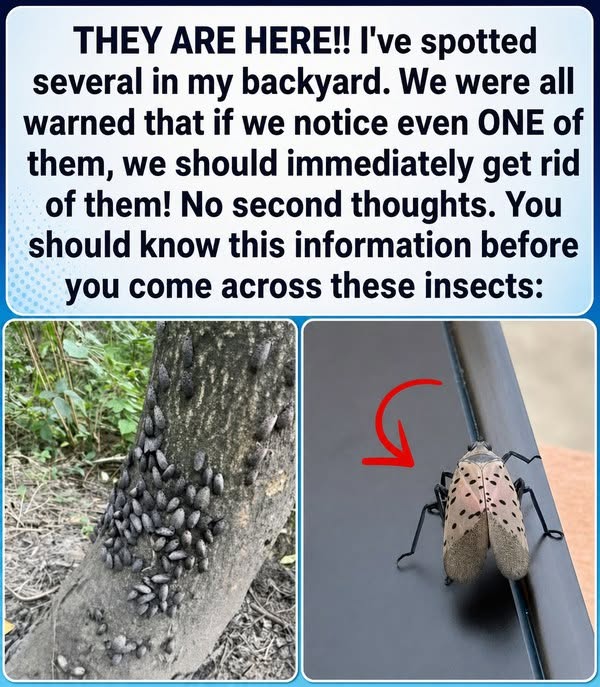
It was a hot day, the kind where stepping outside feels like a mistake, and the plan was simple: just water the maple tree and head back in. That’s when a strange-looking insect caught the eye, sitting on the tree with gray wings and small dark spots. It looked almost pretty at first glance, with an unusual shape that made it worth a closer lookThen it fluttered, and its wings parted just enough to reveal a flash of bright red, black, and white underneath, like a tiny magic trick. Curious, the observer snapped a photo and started searching online, wondering if this was one of the invasive insects people had been talking about. What turned up sounded very much like the spotted lanternfly, an invasive plant-feeding insect originally from Asia.
2 min read
What Is the Spotted Lanternfly?
The spotted lanternfly, scientifically known as Lycorma delicatula, is a planthopper rather than a true fly, despite the name. It originated in Asia and was first detected in the United States in Pennsylvania back in 2014.
Since that initial discovery, the insect has spread to additional areas. Agricultural agencies and university extension services have been monitoring and managing its populations as part of ongoing efforts to limit its impact.
Identifying Features to Look For
Recognizing a spotted lanternfly starts with its size and coloring. Adults are generally about an inch long, which makes them easy to spot once you know what to check for.
Gray forewings covered in black spots
Darker, patterned tips on the forewings
Bright red, black, and white hindwings hidden underneath, visible only when the wings open
That sudden burst of color when the wings part is often what makes people stop and take a closer look. For anyone who hasn’t encountered one before, the contrast can be genuinely startling.
Why It Matters If You Spot One
Not every unusual-looking bug is an invasive species, and correct identification matters before taking any action. Misidentifying a harmless insect helps no one, so it’s worth comparing what you see carefully against the known features.
That said, if the insect you find does match the description of a spotted lanternfly, there are real reasons to take it seriously. These insects feed on plant sap and can damage vulnerable plants they settle on.
They can also spread to new areas when people unknowingly transport them, or their egg masses, to places they wouldn’t otherwise reach.